
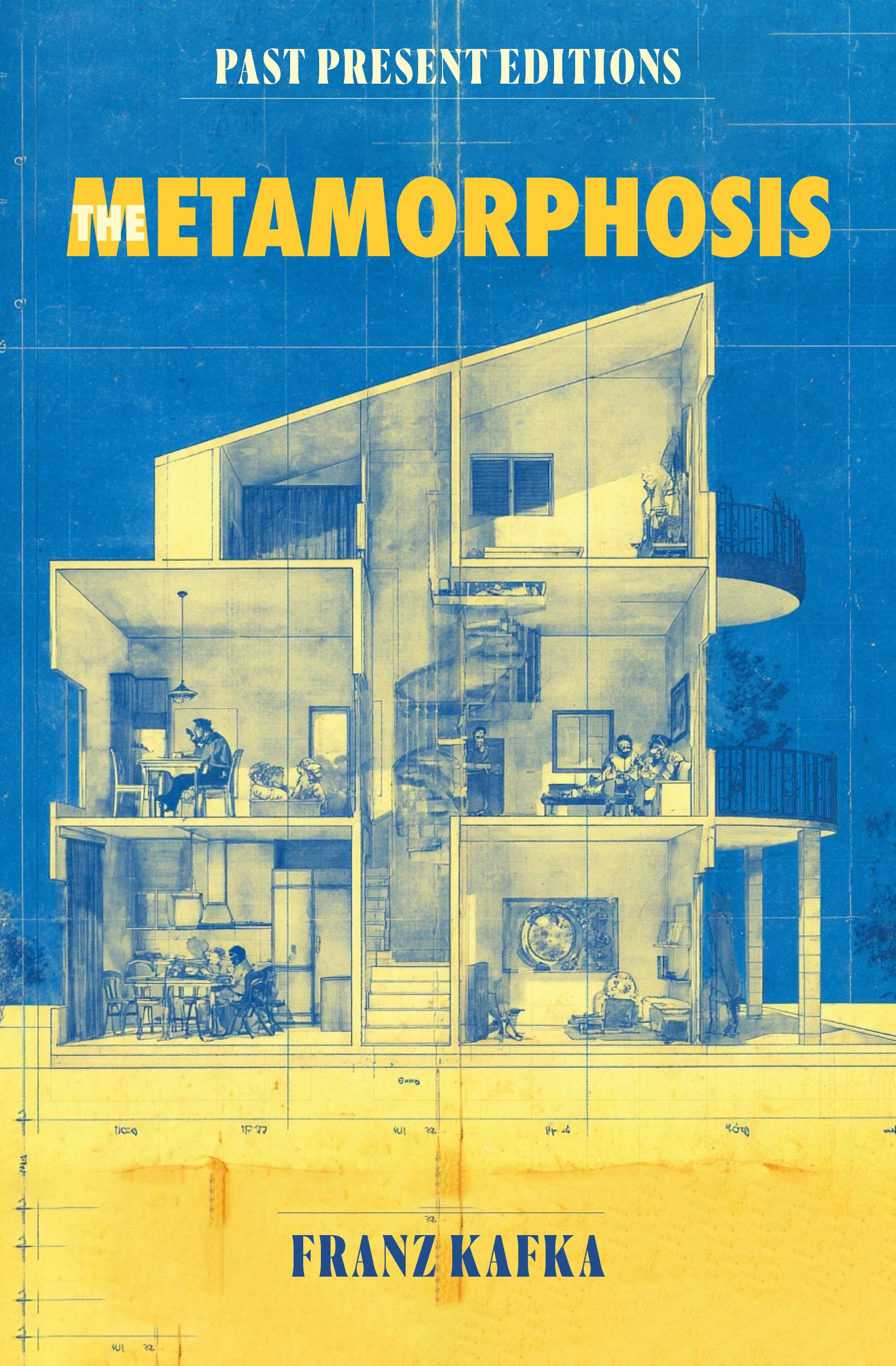
The first edition of The Metamorphosis was published in October 1915 by Kurt Wolff Verlag in Leipzig as part of a literary series called Der Jüngste Tag—The Last Judgment. Kafka's story about a man stripped of his humanity was literally filed under the end of the world.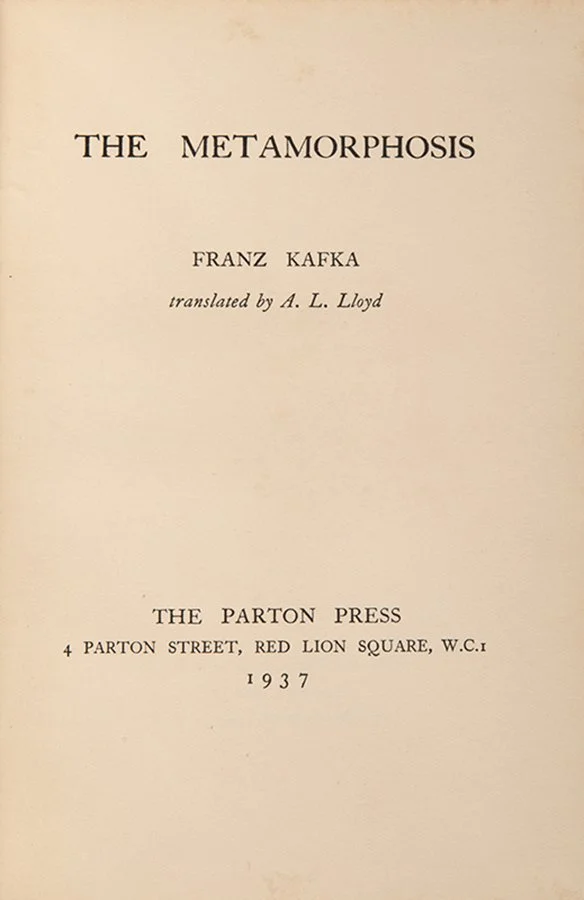
The Metamorphosis
by Franz Kafka
The File That Never Closed
Franz Kafka finished The Metamorphosis in 1912 in approximately three weeks. He was working a day job he despised at the Workers' Accident Insurance Institute in Prague, writing in whatever hours remained after the bureaucracy was done with him. The irony that the man who invented literary bureaucratic horror (and the term “Kafkaesque”) spent his days processing workplace injury claims is not subtle. A little bit of both cause and effect. Regardless, it did serve to fan the flames of his writing.
He almost didn't publish it. He almost didn't publish anything. Kafka's relationship with his own work was one of the most self-destructive in literary history. He genuinely believed most of it was worthless, and when he died of tuberculosis in 1924 at forty years old, he left explicit instructions for his friend and literary executor Max Brod to burn everything. The manuscripts, the novels, the letters, all of it.
Thankfully Brod didn't listen. Instead he published everything, including the two unfinished novels—The Trial and The Castle—that would eventually establish Kafka as one of the defining writers of the twentieth century. Whether this was an act of profound friendship or profound betrayal depends on your feelings about an artist's final wishes. Either way, without Brod's defiance, The Metamorphosis almost certainly doesn't exist in the world today.
Kafka was reportedly very particular that the cover of the first edition not depict an insect of any kind. He wrote to his publisher explicitly requesting this. He understood, correctly, that the moment you show the creature you've lost the point entirely. The horror was never what Gregor became. It was how quickly everyone around him adjusted.
Incidentally, the word Kafka used for Gregor's transformed state—Ungeziefer in the original German—doesn't actually translate cleanly to "insect" or "beetle" as most English editions render it. It means, more precisely, an animal that is unclean and unfit for sacrifice. Something that cannot be offered up. Something without use or value in the eyes of the world.